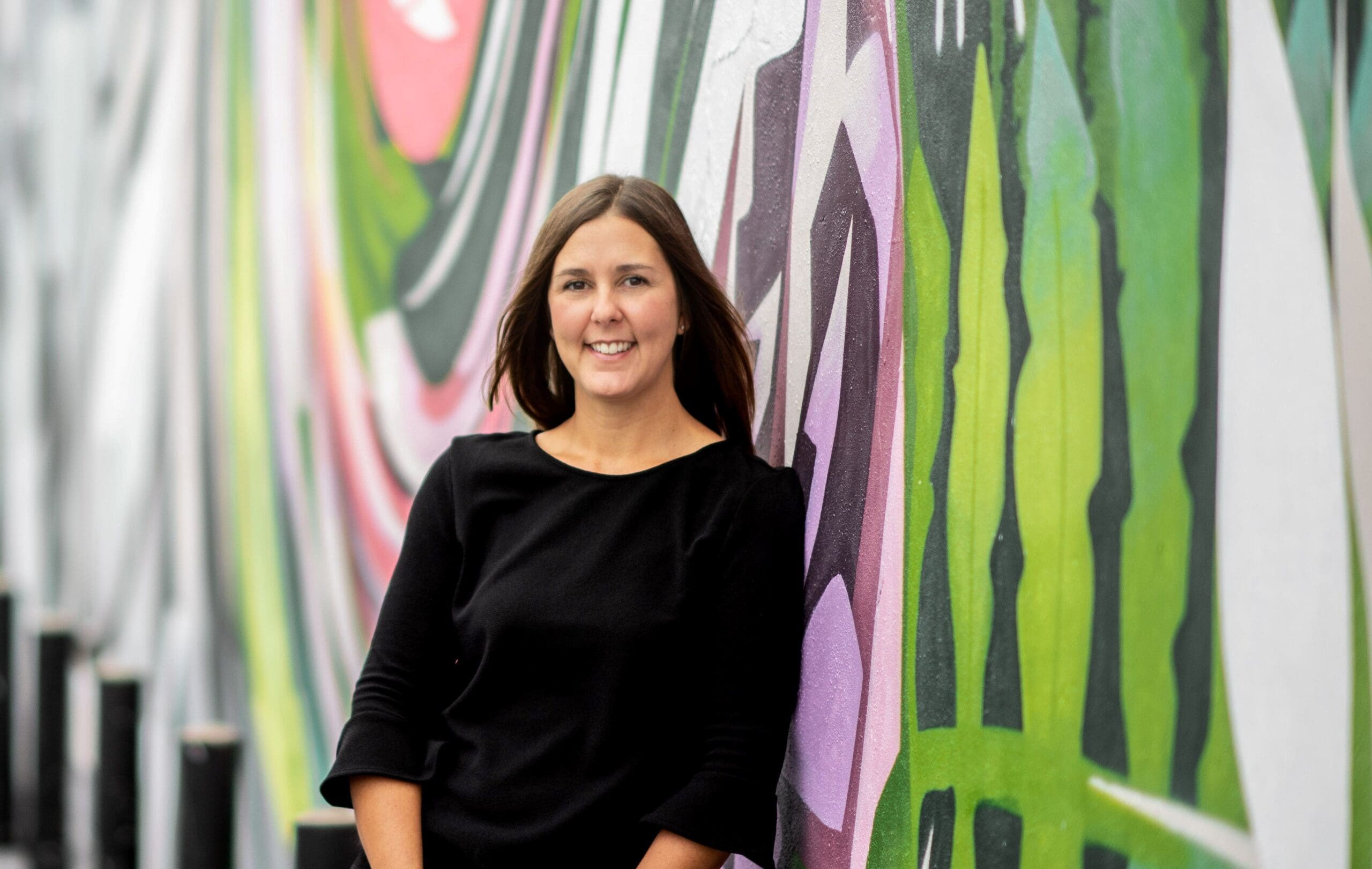
Twenty-four years ago, as a baby OT, I had way more questions than answers (okay…maybe I still do 😅). I had the OT theory. I had an enormous desire to help. But mostly, I spent a lot of those early years feeling like a deer in the headlights, having no idea what I was doing and hoping I could make a difference for each of my clients. Little did I know, these clients were about to become my greatest teachers. Looking back over the past 24 years, I pulled together 8 stories that completely changed the way I think about behavior, regulation, participation, and supporting neurodivergent people. Some start with mistakes. Many happened by complete accident. One involved a few Doc McStuffins toys. Every single one still shapes the way I practice today.
To celebrate this series, we’re also bringing back our annual BOGO Sale! Buy one on-demand course. Choose a second FREE. Because sometimes one new idea changes everything. Maybe the next one is waiting for you! Sale ends August 30.

Story 1: Usually, the “Problem” Begins with Us
I was working with a young client who absolutely loved Minecraft. We had developed a rhythm together. Our sessions followed a consistent flow, and we were making wonderful progress toward his goals. Wanting to honor his interests, I spent hours one night creating a Minecraft-themed interoception game. I couldn’t wait to surprise him the next day. The moment I handed him the game, he ripped it in half, screamed that he hated me, and ran to the corner of the room. I sat there completely stunned.
What just happened? Did he not sleep the night before? Did something happen that morning that was still irritating him? Did the support staff skip his regulation break (again)? Was he just being rude?
And then it hit me. I had changed a routine that helped him feel successful. What felt like a fun surprise to me felt completely different to him. Our predictable sessions were fun and I messed with that.
The problem started with me! I was the “antecedent” to the “behavior”.
The next session, I apologized. I was disappointed that my surprise hadn’t gone the way I’d imagined, but that wasn’t the point. The point was that I’d overlooked what he needed in favor of what I was excited to share. This experience stayed with me for years because it completely changed the questions I ask. So often, we’re taught to start by analyzing the other person’s behavior. The focus is almost always on what they’re doing. Define their “problem behavior”. Decide what “replacement behavior” they need to learn.
Rarely are we taught to analyze ourselves. What did we contribute? What did we change (or not change enough)? What (mis) assumption did we make? Let me tell you, as much as we might not want to hear this (because I know I didn’t), most of the time the problem begins with us! I’ve learned that some of the most powerful changes happen when we’re willing to reflect and change first.
Story 2: Understanding Begins When We Stop Insisting on One Language for the Inner World
There was a bright, funny 10-year-old that I had the honor of supporting for a year. She had been labeled “behavior problem” at school. Academically, she was thriving. But because of her behavior, she wasn’t “safe enough” to participate in the general education classroom. The adults around her were trying to help. They asked her to identify emotion words. They practiced coping strategies. But none of it seemed to help.
As we got to know each other, she started telling me about the different channels she experienced throughout the day. Static Channel. Chill Channel. Sports Channel. Blackout Channel. News Channel. Game Channel. Instead of replacing her terms with mine, or forcing emotion words into the process, I went along with her. We started to map out the channels together. Each channel had its own meaning. We started noticing the body signals that told her when she was switching channels. Eventually we explored what each channel needed.
That’s when something clicked for me. She already had a way of making sense of her inner world. My job wasn’t to replace it. My job was to become fluent in it. I never would have discovered Static Channel or Blackout Channel if I had insisted she use my language first. The breakthrough didn’t happen when she finally started using emotion words or coping strategies. It happened when I stopped expecting my language to work and started learning hers. Understanding begins when we stop insisting on one language for the inner world.
Story 3: When Self-Regulation Becomes Something We Perform, It Stops Being Self-Regulation
As a baby OT, I was desperate for resources (remember…I was a deer in the headlights 😂). I had just discovered a new self-regulation program and was convinced it was the answer. (btw this story has nothing to do with the program itself…and everything to do with how Baby OT Kelly was using it.)
I spent hours creating fun activities to go with the program. Many of my students enjoyed them. We laughed together. They willingly participated. They created their own regulation visuals, and I genuinely thought, “Wow…this is really working.” But one thing kept nagging at me. No matter what was happening around them…no matter how hard the day had been…no matter how overwhelmed they seemed…we would ask, “Where are you on your scale?” And repeatedly, we would hear, “I’m at a one.” And I’d quietly think to myself, “I don’t think you’re at a one right now.” Something wasn’t adding up. Then it hit me. They weren’t telling us how they actually felt. They were telling us what they knew we wanted to hear.
I had accidentally taught them that “one” was the right answer. It was the end goal. Use your strategies. Get back to a one. I wasn’t helping them understand themselves. I was helping them perform regulation. That realization changed everything. Self-regulation loses its power when it becomes something we perform. When the goal becomes giving the “right” answer instead of truly understanding ourselves…it isn’t really self-regulation anymore. It’s compliance.
Story 4: Participation Begins with Felt Safety
Early in my career, I worked with a child who wanted absolutely nothing to do with using a toilet. Like so many professionals, I started with everything I’d been taught. Sticker charts. Special toys in the bathroom. Scheduled sits. His parents worked incredibly hard. My client worked incredibly hard. And yet nothing was changing…except that everyone was becoming more stressed. I didn’t know what else to suggest (baby OT…deer in the headlights!).
One day, his mom told me they needed a break from the process. Not because using the toilet didn’t matter, but because the pressure had become too much for their family. What unfolded over the next few weeks taught me something I never learned in OT school. Dad started doing this silly wiggle dance down the hallway announcing, “Uh oh…emergency! I’ve GOT to find a toilet!” Mom joined in, creating her own dance. Their son belly laughed. Every. Single. Time. As a family they decorated the bathroom together. They added special lighting. They experimented with calming scents. They even came up with a silly flushing routine where Mom would flush the toilet after Dad had already left the bathroom to protect his ears.
Nobody asked their son to perform. Nobody reminded him it was his turn. Nobody tried to convince him. Instead, they changed what the process felt like. It wasn’t easy. It took incredible courage for his parents to let go of the fear that if they stopped applying pressure, nothing would ever change. They weren’t giving up. They weren’t lowering expectations. They were trusting that fun, silliness, less stress was more powerful than pressure. And little by little, their son showed us they were right. That family changed me forever. They taught me that participation doesn’t begin with pressure, rewards, or perfectly timed strategies. Participation begins with felt safety.
Story 5: Inner feelings motivate us more deeply than external rewards.
Early in my career, I ran a social group for autistic teenagers. If you walked past our room, it probably didn’t look very “school-like” and that was intentional. My goal wasn’t to “teach social skills”, even though that is what I was tasked to do. I wanted to create a place where every student genuinely wanted to come and felt good “socializing”. We played a lot of outlandish games. We laughed a lot. We had inside jokes.
At one of our holiday parties, we played a game with a wrapped grand prize. No one knew that it was funny gift based on one of our inside jokes. One of the boys won the game. He ripped open the package and inside was a…. Doc McStuffins toy. Everyone was cry-laughing, especially the boy that opened it. I never saw him laugh like that before. It instantly became one of those “only us” moments that you couldn’t explain to anyone outside of the group.
A few months later, he hit a really difficult stretch and stopped coming to group. We all missed him and wanted him to know it. So, we spent an entire group session searching Amazon to find the perfect Doc McStuffins toy and secretly had it shipped directly to his house. The next day, I received a message I’ll never forget. He told me it was one of the nicest gifts he had ever received. Obviously not because of the silly toy, but because he knew exactly what it meant. The group genuinely missed him. And the very next session, he came back.
That experience completely changed the way I think about motivation. He didn’t come back to earn another toy. He came back because he knew he mattered. He showed me in such a concrete way that the deepest motivation doesn’t come from external rewards. It comes from the inside stuff…from feeling valued, connected, like we matter. A deep felt sense of belonging can move us in ways that no token, sticker or snack ever could.
Story 6: No Science can Replace Lived Experience
When I was in OT school over 25 years ago, evidence-based practice was everything. We were taught to learn the science and use strategies supported by peer-reviewed research. But looking back, I don’t remember learning to ask people what their sensory experiences actually felt like.
One of my first years as an OT, I was supporting a young client who experienced the world in ways I was trying so hard to understand. I relied on what I observed, what others reported, and the sensory frameworks I had learned. Things got a little easier, but he was still having a really hard time in the classroom. One day I asked him what it was like for him at school. He shrugged. “I don’t know.” So, I wrote a note home to his mom. “If he ever finds a way to show us what it’s like for him at school, I’d love to see it.”
A few days later, she emailed me. “He wanted me to send this to you.” He had found a scene from one of his favorite cartoons. The character wandered into a carnival funhouse. Lights flashed. Sounds echoed. Mirrors distorted everything. The floor seemed to shift beneath the character’s feet. At the bottom of the email, she wrote, “He said, ‘This is me at school.'” I’ll never forget watching that clip. For the first time, I caught a glimpse of his world through his eyes…not mine. I understood just a little bit more about how hard school felt for him. I remember thinking, “This can help me support him in better ways.”
That little cartoon sparked something in me that has never gone away. It taught me that no theory, framework, or research article could ever replace learning directly from the person living the experience. Ever since, I’ve been curious about what the world feels like through someone else’s eyes.
Story 7: Curiosity Finds Better Answers Than Compliance Ever Can
Early in my career, I joined a team meeting for a student who was having a really hard time in the classroom. When the work became overwhelming, she’d shove her papers onto the floor, tip over her chair, or completely shut down. The team was trying so hard to help. They explained that she already had an “I need help” card and a social narrative explaining when and how to use it. But she never used it. The team had reached what seemed like a reasonable conclusion: she was refusing to use the support and needed more motivation. So, in came an idea for a token board where she could earn tokens for using the help card and eventually with enough tokens she could earn a special prize.
As everyone talked, questions kept bouncing around in my head: Does she even know she’s becoming overwhelmed? Does she even know when she needs help? I asked the questiosn during the meeting, but the conversation quickly moved on. Baby OT Kelly didn’t have the confidence to push it.
After the meeting, I shared the same question with her teacher one more time. I wasn’t sure if she really heard me, but the next day, she emailed me…and CC’d the whole team. She told us she’d asked the student when she knew it was time to use her help card. The student said she didn’t know. The “storm” just happens. The teacher continued that maybe the student wasn’t refusing to use the help card after all. Maybe she just didn’t realize she was becoming overwhelmed until she was already in the middle of it.
That one email changed the direction of the entire conversation. We stopped focusing on getting her to use the help card and started thinking about how we could help her notice how she was feeling before everything unraveled. Sadly, this was about 20 years ago, and I didn’t know anything about interoception yet. We used way too many emotion words and zero body signals. But it was the best we knew at the time and it was still a whole lot better than trying to motivate her with tokens to use a help card she didn’t yet know she needed. This situation taught me something I’ve never forgotten. Curiosity finds better answers than compliance ever can. And maybe…that Baby OT Kelly should’ve spoken up a little more in team meetings. 😉
Story 8: Distress Is Often a Signal That Something Around Us, Not Within Us, Needs to Change
Early in my career, I spent a lot of time thinking about skills. How do I help someone have the skills to communicate more? Regulate more? Participate more? Looking back, I realize I spent almost all of my energy trying to change the person in front of me with “better skills.” I wasn’t paying nearly enough attention to the environment surrounding them.
One student completely changed that. He rarely ate anything at school. Every afternoon he seemed miserable, and when he got home, his family told us he’d eat nonstop. He was likely hungry all afternoon…and who wouldn’t’ be miserable?!
Like any caring team, we immediately started brainstorming ways to help him. We offered noise-canceling headphones, implemented an oral motor program, scheduled a sensory break before lunch, tried different foods, created visual supports to make lunchtime more predictable, and (don’t judge 😅) even put a reward system in place if he ate a few bites. We assumed his ability to eat was the problem. That he lacked the skills.
Then something completely unexpected happened. One day, he had an appointment and arrived at school after the lunch period had ended. Since the cafeteria was already being cleaned, the school offered to let him eat in a small conference room before heading to class. And he immediately dug into his lunch and took a few bites. We couldn’t believe it. What was going on? The next day, we offered for him to eat in the small room again. And again he took a few bites! We started to wonder if maybe his ability to eat wasn’t the problem. Maybe the cafeteria was.
From there, everything changed. Instead of expecting him to eat in a loud, unpredictable cafeteria, we found him a permanent quiet room where he could eat with one trusted friend, watch an episode of his favorite show, and pace if his body needed to. He started eating more, and little by little, his afternoons became easier too. Looking back, what strikes me most isn’t that we taught him a skill. It’s that we finally stopped trying to change him and started changing what we were asking his nervous system to manage. This student taught me something I’ve never forgotten: Sometimes distress isn’t a sign that the person needs to change. It’s a signal that the environment does.
Twenty-Four Years Later…
When I became an occupational therapist 24 years ago, I thought my job was to help my clients learn. What I didn’t expect was how much they would teach me. Every child, teen, adult, family, teacher, and colleague in these stories helped shape the occupational therapist I am today. They challenged my assumptions, exposed my blind spots, and reminded me, over and over again, that curiosity will always take us further than certainty.
Looking back, I can see that Baby OT Kelly made plenty of mistakes. Thankfully, the people around me were patient enough to let me learn with them. Twenty-four years later, I still don’t have all the answers. Honestly, I hope I never do. Because the moment I think I’ve figured everything out is probably the moment I stop seeing the person in front of me. I’m still asking questions. I’m still getting things wrong. And I’m still learning from the people I have the privilege of supporting every single day.
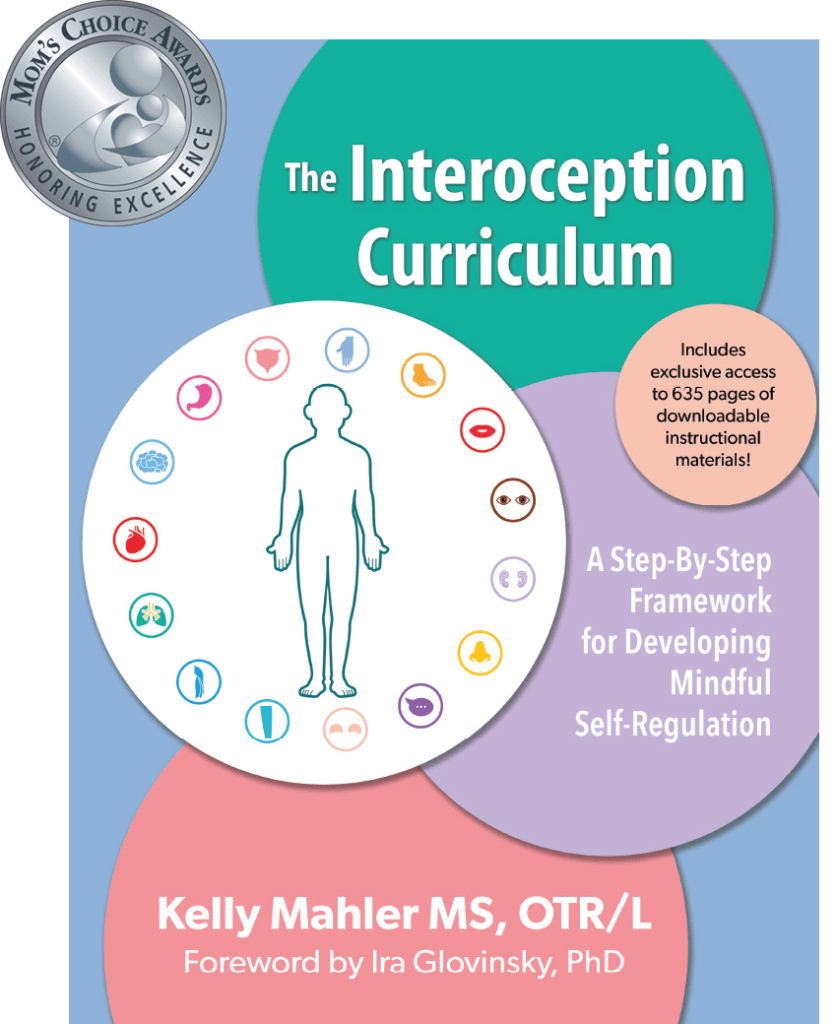
If these stories resonated with you, you’ll find the same philosophy woven throughout my books, courses, and free resources. Everything I teach today has been shaped by the people who first taught me.