

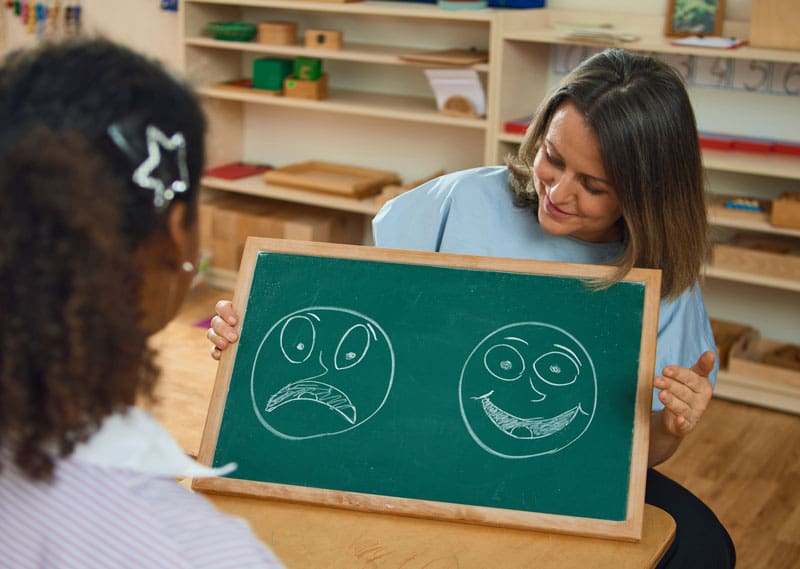
Social emotional learning (SEL) has become a major focus in schools as educators look for ways to support emotional regulation, empathy, positive relationships, and responsible decision-making. Many schools now implement an SEL curriculum to help students recognize emotions and develop the self-regulation skills and relationship skills needed for everyday life. These goals are important.
But there is a foundational step that is often overlooked: body signals. Interoception is a sensory system that helps us notice our internal body signals. Without this foundation, many SEL programs struggle to produce the results that educators want. That’s why interoception and social emotional learning need to go hand-in-hand.
What Is Social Emotional Learning (SEL)?
Social emotional learning refers to the process of developing skills that help individuals understand emotions, manage challenges, and interact with others.
Many schools use a structured SEL curriculum to support skills such as:
- Recognizing and labeling emotions
- Developing self-regulation skills
- Building empathy
- Strengthening relationships
- Making responsible decision-making
- Teaching emotional awareness
Common SEL strategies for schools include emotion charts, classroom discussions, coping strategies, and social problem-solving lessons.
These approaches aim to strengthen emotional literacy and support emotional regulation.
However, many SEL programs assume that students can already notice the body signals connected to emotions. When this foundation is missing, emotional concepts may feel disconnected from real experiences.
Body signals often provide the first clues that something is happening inside. A student might notice their stomach tightening or their shoulders tensing during a difficult classroom moment. When those signals are recognized, they provide information that can guide what action may help the body next.
Without awareness of body signals, social emotional learning can become something students memorize instead of something they actually feel and understand.
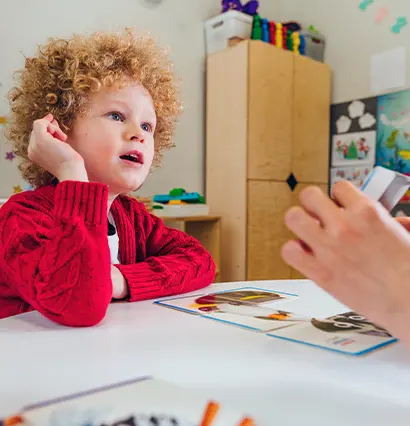
Why Social Emotional Learning Matters in Schools
Because these skills influence relationships, learning, and well-being, social emotional learning has become a major focus in schools.
Educators are increasingly looking for ways to support emotional regulation, empathy, positive relationships, and responsible decision-making in everyday classroom environments.
Many schools implement an SEL curriculum to help students develop the self-regulation skills and relationship skills needed for participation in school and life.
But even as emotional literacy activities expand, many educators notice that emotional learning can still feel abstract or difficult for students to apply in real-world moments.
This raises an important question: What might be missing from many social emotional learning programs?
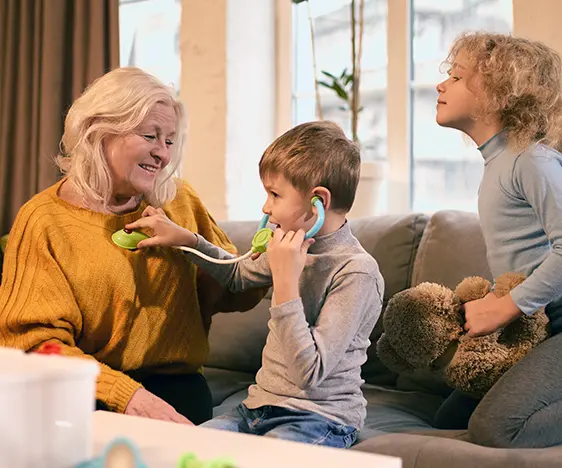
The Missing Foundation: Body Signals
All of these goals, emotions, empathy, relationships, and decision-making, begin with body signals.
Interoception, the sensory system that helps us notice internal body signals, plays a critical role in how people understand themselves and interact with others. Understanding the relationship between interoception and social emotional learning may help explain why some SEL strategies for schools are not producing the results educators hope for.
Body signals influence far more than emotions alone. They help people recognize when they feel safe or uncomfortable, notice shifts in energy or tension, and decide what actions may support their body. These internal cues shape how individuals interpret experiences, respond to challenges, and navigate relationships.
Interoception is increasingly recognized as an important area of research in emotional development and mental health. In fact, the National Institutes of Health (NIH) includes interoception within its Research Domain Criteria framework.
So, Where Is Interoception in Our SEL Curricula?
When social emotional learning begins with awareness of body signals, emotional understanding, empathy, and decision-making become more concrete, personal, practical, and meaningful.
Body signals help people recognize shifts inside, like energy, tension, comfort, pain, hunger, safety, and more.
In a classroom, a student might feel their chest tighten or their head pound during a difficult moment. If they can notice those signals, they gain information that can help them pause, ask for support, or choose an action that helps their body.
Without that awareness, students may be asked to identify emotions or choose coping strategies without understanding what their body is communicating.
Body signals are often the first clues that something important is happening inside.

Interoception and Social Emotional Learning at a Glance
SEL and interoception are closely connected because emotions begin as body signals. When SEL instruction starts with awareness of internal body sensations, students can better understand their emotions, choose regulation strategies, and build meaningful social skills.
This body-based SEL approach helps transform social emotional learning from memorized concepts into lived experiences and offers a powerful foundation for teaching emotional awareness.
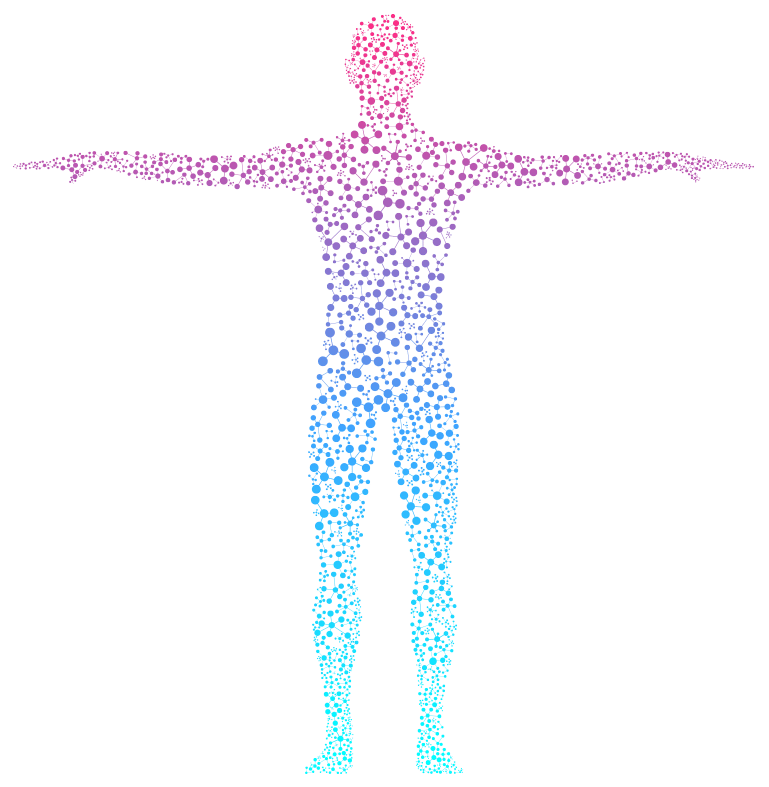
Emotional Regulation Begins in the Body
Emotional understanding often unfolds through a body-based process:
Body signals → Emotional meaning → Actions that support the body
First, the body sends signals. These signals may include changes in heart rate, breathing patterns, muscle tension, stomach sensations, or temperature.
Next, those signals begin to take on emotional meaning. Over time, people learn to recognize what those signals may represent.
Finally, individuals explore actions that support their body; actions that help them feel calmer, safer, more energized, or more comfortable.
This body–emotion–action process unfolds within relationships and environments as people interact with others and the world around them.
When we understand how emotions develop in the body, the connection between interoception and social emotional learning becomes much clearer. Emotional awareness, empathy, and decision-making are not skills that appear suddenly through instruction. They grow from the ability to notice and interpret body signals. When students can recognize what their body is signaling, strategies for emotional regulation and social problem-solving become easier to understand and apply.

Why Interoception and Social Emotional Learning Belong Together
Understanding the relationship between interoception and social emotional learning helps explain why emotional learning begins in the body.
Many SEL strategies for schools start with emotion words or coping strategies. These skills are valuable.
But emotional understanding begins earlier.
It begins with body signals.
When body signals are not supported first, social emotional learning can sometimes become:
- Memorized scripts
- Intellectual exercises
- Confusing instructions
- Difficult to apply in real-life situations
A student may learn to script “I feel happy,” but may not yet recognize the body signals connected to that experience. Or memorize coping strategies, but not be able to use them “in the moment.”
Without awareness of body signals, knowing how one authentically feels or when and what regulation strategies are needed can be impossible.
This is why understanding body-based SEL is so important. Interoception provides the foundation that allows emotional awareness, empathy, and emotional regulation to develop in meaningful ways.
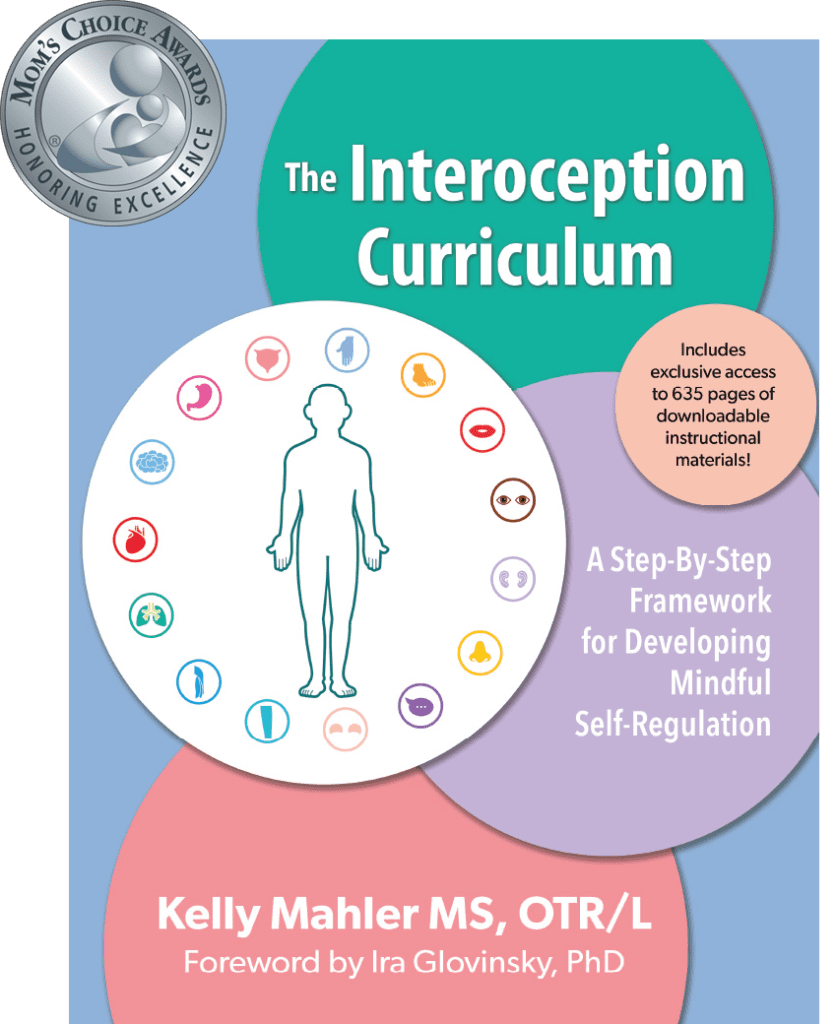
The Interoception Curriculum©: A Body-Based Social Emotional Learning Program
The Interoception Curriculum© helps learners notice body signals and explore how those signals connect to emotions and actions. Rather than memorizing emotional rules or coping strategies, learners become curious investigators of their own internal experiences.
This SEL curriculum offers a body-based SEL approach. It is organized into a developmental progression that reflects what emerging interoception science tells us about how emotional awareness develops:
Body signals → Emotional meaning → Actions that support the body
Through playful, hands-on lessons and interoception activities, learners notice how body signals change and experiment with actions that support their body.
Section 1: Body Lessons
Learners start by becoming “body scientists.” Each lesson zooms in on a different body part (hands, feet, eyes, stomach, brain, and more) using interoception activities to explore the many ways it can feel.
Section 2: Emotion Lessons
Learners begin connecting body signals to emotional meaning. Emotion words start to make sense because they describe real body experiences rather than guesses.
Section 3: Action Lessons
Learners experiment with more interoception activities involving movement, rest, breathing, and other “feel-good actions” to discover what supports their body.
Over time, learners build a personalized Feel-Good Menu: strategies that truly support their body.
This body → emotion → action process helps learners build the internal awareness that makes social emotional learning (SEL) more meaningful and easier to apply in real life.
These playful explorations also function as emotional literacy activities, helping learners understand their internal experiences.
The curriculum is now used in more than 30 countries, and thousands of professionals have been trained in this body-based SEL approach.
Educators, occupational therapists, speech-language pathologists, and mental health clinicians use the curriculum to help learners develop emotional awareness through exploration of body signals, creating a strong foundation for neurodiversity-affirming SEL.
Incorporating Interoception into Social Emotional Learning for Young Learners
For younger learners, exploring body signals often begins through stories, curiosity, and playful experiments.
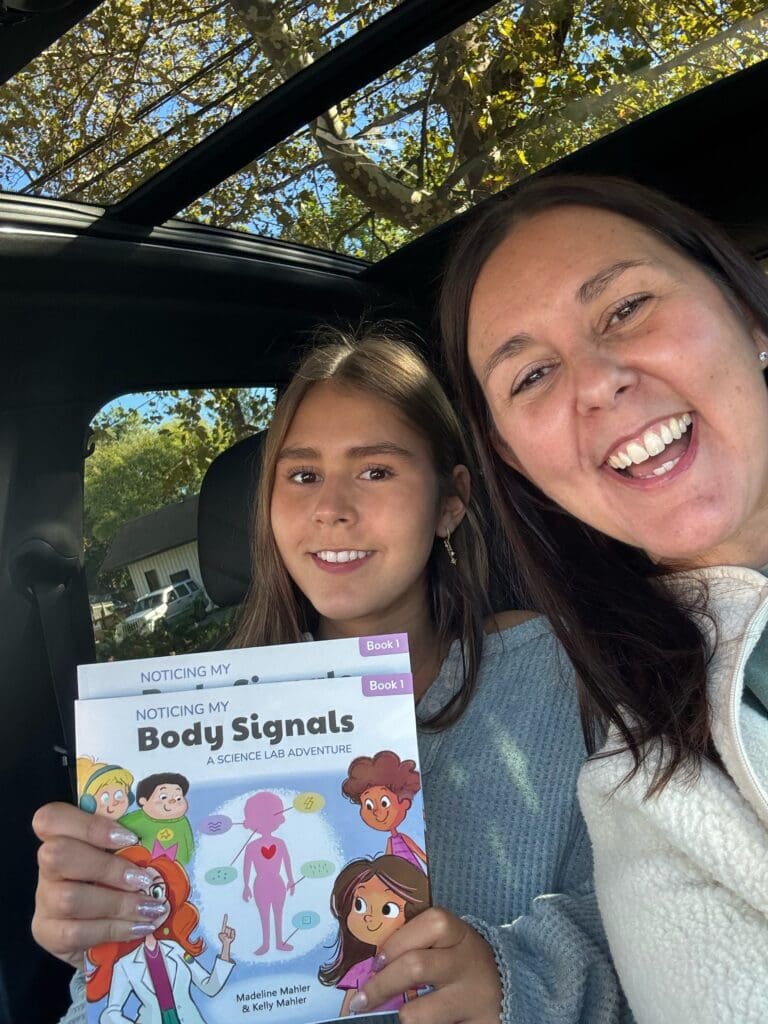
One example is Noticing My Body Signals: A Science Lab Adventure, a children’s book created to help kids begin noticing the internal signals that form the foundation of emotional understanding. Through Dr. Curious and a group of young “body scientists,” the story invites children to pause, notice what their body is doing, and wonder about what those signals might mean.
Rather than telling children what emotions should feel like, the story encourages exploration through interoception activities. Each child discovers their own unique body signals through simple experiments and discussion.
The book was designed to complement The Interoception Curriculum©. It can serve as a playful introduction to the same interactive body-signal exploration. At the same time, it can also be used on its own by parents, educators, and therapists who want a simple way to begin conversations about noticing body signals.
Experiences like this help introduce the earliest step of social emotional learning: noticing body signals.
5 Ways Interoception Strengthens Social Emotional Learning
When interoception becomes part of social emotional learning, emotional development begins with body signals.
- Earlier Emotional Recognition
Students notice subtle body signals earlier. - More Meaningful Emotion Labeling
Emotion words connect to individualized body experiences. - Self-Selected Regulation Strategies
Students experiment with actions that actually support their unique body signals and strengthen their self-regulation skills. - Stronger Emotional Self-Advocacy
Students better understand their body signals and can communicate their needs more clearly. - Deeper Empathy Development
Students learn that different bodies experience and regulate emotions differently, which encourages collaborative problem-solving in shared spaces like classrooms.
Frequently Asked Questions About Social Emotional Learning (SEL) and Interoception
SEL and interoception are two topics that often come with deeper questions. Here are some of the most frequently asked questions you have about them.
What Are the Five Core Competencies of Social Emotional Learning?
What Are the Five Core Competencies of Social Emotional Learning?
Many SEL frameworks describe five core competencies:
- Self-awareness
- Self-management
- Social awareness
- Relationship skills
- Responsible decision-making
Each of these skills depends on the ability to notice internal body signals. Without awareness of body signals, these competencies can become ideas students memorize rather than experiences they understand.
Can The Interoception Curriculum© Be Used in an MTSS Model?
Can The Interoception Curriculum© Be Used in an MTSS Model?
Yes. The Interoception Curriculum© can function similarly to other SEL curriculum models and can be integrated into a Multi-Tiered System of Supports (MTSS). Many schools are using the curriculum as a Tier 1 approach supporting all students.
Why Is Starting with Body Signals Important for Social Emotional Learning?
Why Is Starting with Body Signals Important for Social Emotional Learning?
Emotions begin in the body; therefore, our emotional literacy activities need to shift. When SEL starts with awareness of body signals, emotional learning becomes easier to understand and apply.
What Is Interoception in Social Emotional Learning?
What Is Interoception in Social Emotional Learning?
Interoception refers to the ability to notice internal body signals such as breathing changes, muscle tension, hunger, or shifts in energy. Because emotions begin as body signals, interoception helps students recognize what they are feeling and choose actions that support emotional regulation. Integrating interoception into social emotional learning (SEL) helps make emotional concepts more concrete and meaningful for students.