


Originally published February 23, 2021
How Interoception Affects Potty Training
Interoception plays a key role in toileting (often referred to as “potty training”) because it helps us notice, understand, and respond to body signals related to pee, poop, wetness, discomfort, and safety. For many children, toileting challenges are not about motivation or behavior, they’re about how clearly (or quietly) the body communicates its needs. Supporting interoception through curiosity, modeling, and felt safety helps potty training unfold from the inside out, without pressure or compliance.

Potty Training Is a Body Process, Not a Behavior
Many toileting or potty training* approaches focus on surface behaviors: how often accidents happen, how long a child sits on the toilet, or whether they comply with schedules, reminders, or rewards. While well intentioned, these approaches often miss the body’s role in toileting readiness.
Toileting is not just a behavior to perform. It’s a whole-body process that depends on internal awareness, body trust, and the ability to notice and interpret physical signals. The process of potty training and toileting are, in fact, one of the most basic opportunities parents have to teach children about how to sense what is happening in their body. When we rely only on external motivators, we risk overlooking the internal experiences that actually support independent toileting over time.
*Language note: Potty training is a familiar term for many families, so it appears in this post. You’ll also see potty learning and toileting, which better reflect the child-led, developmental process of learning to use the toilet and are often used by occupational therapy practitioners. Historically, training has been linked to compliance-based approaches that focus on behavior change rather than internal awareness. Our intention is to gently support a shift toward language and practices that center learning and body trust.
How Interoception Impacts Potty Training
Interoception is the sense that helps us notice and understand what’s happening inside our bodies. For many people who toilet independently, this process happens almost automatically: a sensation shows up, they’ve learned what it means, and they respond.
For example, over time we may learn that a certain pressure, warmth, or internal shift means we need to pee. That internal signal (not reminders or rewards) becomes the motivation to get to the bathroom. The same is true for bowel movements as well. Being able to sense signals such as cramping or pressure are important cues from the body about what it needs.
When interoceptive signals are muted, delayed, confusing, or overwhelming, toileting can feel unpredictable or stressful, not because of effort or willingness, but because of how the body communicates.
Toileting Involves More Than the Urge to Pee or Poop
Toileting or potty learning is often reduced to “feeling the urge,” but it involves many more body signals, including:
- noticing wet vs. dry
- sensing clean vs. messy
- recognizing pain, discomfort, or pressure
- noticing constipation or stool withholding
- feeling whether muscles are tight or relaxed
- sensing urgency, readiness, or uncertainty
- noticing whether the bathroom itself feels sensory safe or overwhelming
If any part of this internal awareness is unclear, toileting can feel hard, even when a child wants to be successful.
Body Signals: Noticing, Understanding, Responding
Interoception supports toileting and the potty learning process through three interconnected steps:
- Noticing a body signal
(pressure, cramping, fullness, warmth, wetness, discomfort, or “something feels different”) - Understanding what that signal means
(“I think I need to pee,” “I’m constipated” “My underwear is wet.”) - Responding in a way that works for the body and nervous system
(going to the bathroom, asking for help, changing clothes, waiting, or seeking comfort)
If any part of this chain is disrupted, toileting can become challenging, not because a child is resistant, but because the body’s communication system needs support.
Why Rewards Are Often Not Enough
Rewards like stickers, special snacks or iPad time are often suggested because our systems default to behavior-based solutions. But rewards can’t create or clarify internal body signals. When interoceptive cues are quiet, delayed, or confusing, no sticker or prize can dictate what the body actually needs or is trying to tell us. In some cases, added pressure can actually make it harder for a child to tune into subtle body cues, thus making toileting or potty learning more difficult and confusing for the child.
This isn’t a failure of the child or caregiver, it’s a mismatch between what behavior-based approaches ask for and what toileting actually requires. Supporting toileting means supporting the body, not managing behavior.
Where to Start: Three Interoception Activities to Support Potty Training
Caregivers often ask, “Okay, I understand interoception, but what do I actually do?” There’s no single right path, but these three approaches offer a gentle place to begin.
1. Start With Curiosity: Every Body Has Different “Inner Feels”
There is no one “right” way to feel a potty signal. Some people feel pressure, others warmth, restlessness, or a sudden wave of urgency. Some don’t notice signals until the very last moment.
Rather than teaching children what they should feel, we can invite discovery:
- “I wonder what your body feels like before pee comes?”
- “Did anything feel different just now?”
Curiosity reduces shame and supports children in learning how their body communicates, and that is the key to potty learning and toileting success.
2. Use Adult Modeling to Make Body Signals Visible
One of the most powerful ways to support interoception is adult modeling. When adults talk out loud about their own body signals, children gain language and context without pressure. It also helps them learn that what’s happening in their bodies is natural so they can feel more comfortable sharing their experience.
This might sound like:
- “I notice a tingly feeling below my belly button. I wonder if I need to pee”
- “There is a small poking feeling in my butt. I need to get to the toilet to poop.”
- “I have a feeling here (pointing to lower belly). Not sure what it means. I’m going to sit on the toilet and see if pee or poop needs to come out.”
Children don’t need to respond or imitate. Modeling works by normalizing body talk and building shared language over time.
A helpful starting point is the Free Adult Interoception Modeling Booklet, which offers simple examples for everyday routines.

3. Offer Structured Interoception Support for Exploration (Without Forcing)
Some families and professionals appreciate a structured way to support interoceptive awareness over time. The Interoception Curriculum provides a framework for noticing, describing, and making sense of body signals, including those related to toileting.
Rather than teaching children what to feel, this approach supports:
- noticing patterns
- building a personal “body dictionary”
- responding in ways that feel safe and doable
This structure can be especially helpful when signals are subtle, confusing, or inconsistent.

Learning More: Build Potty Readiness From the Inside Out
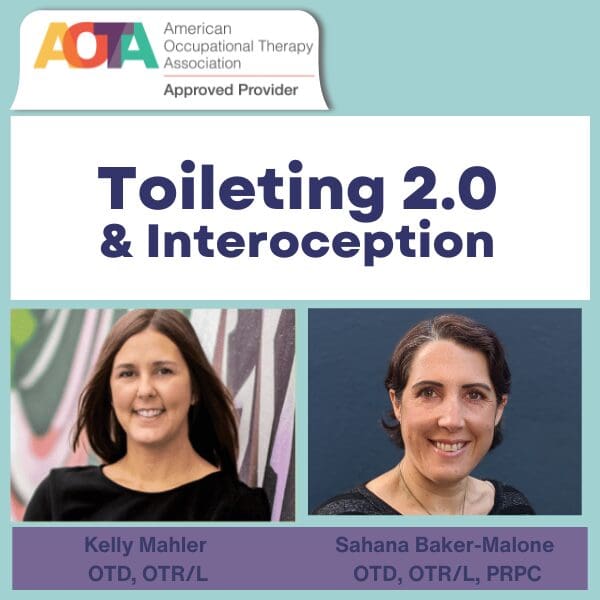
If you’d like a deeper exploration of toileting through a neuro-affirming, body-based lens, Toileting 2.0: A Neuro-Affirming, Interoception-Informed Approach to Building Readiness from the Inside Out offers a comprehensive framework for understanding why toileting can feel hard, and how to support readiness without pressure or compliance-based strategies.
FAQs: Interoception & Potty Learning
How does interoception affect potty learning ?
Interoception helps us notice, understand, and respond to internal body signals such as pressure, fullness, warmth, wetness, discomfort, or pain. Toileting relies heavily on these signals. When interoception is muted, delayed, confusing, or overwhelming, a child may not notice they need to go, may misinterpret what they feel, or may struggle to act on the signal in time. This can make toileting feel unpredictable or stressful, even when a child wants to be successful.
Why don’t rewards work for potty learning?
Rewards don’t work well for potty learning because they can’t create or clarify internal body signals. Toileting isn’t a performance, it’s a body process. If a child’s nervous system isn’t giving clear signals about pee, poop, or wetness, no sticker or prize can make those sensations appear sooner. In some cases, rewards add pressure, which can actually make it harder for a child to tune into subtle body cues.
Is toileting just about feeling the urge to pee or poop?
No. Toileting and by extension potty training, involves many body signals beyond the urge to pee or poop. Interoception supports awareness of wetness, messiness, pain, constipation, muscle tension or relaxation, and whether the bathroom environment feels safe or overwhelming. Successful potty learning depends on noticing, understanding, and responding to all of these signals, not just urgency.
How does autism affect interoception and potty training ?
Many autistic people report differences in their interoception experiences. Their body signals may be muted, delayed, very intense, inconsistent, or hard to interpret. This can affect noticing the need to go, understanding what a sensation means, or responding in time. Potty learning challenges in autistic children are not about motivation or behavior; they’re often about how the nervous system processes body signals and sensory experiences.
What if my child doesn’t notice when they are wet or soiled?
Some children don’t feel wetness or mess right away, or at all. This doesn’t mean they don’t care or aren’t trying, it means their interoceptive signals related to wet/dry or clean/messy may be subtle or absent. Supporting awareness through curiosity, modeling our own experience as adults, and gentle exploration can help children begin noticing these signals over time, without pressure or shame.
What’s the difference between potty training and potty learning?
Potty training typically focuses on adult-directed strategies to change toileting behavior, often using schedules, prompts, or rewards. Potty learning describes a child-led, developmental process in which children learn to notice and respond to their own body signals at their own pace. In short, training emphasizes behavior, while learning emphasizes body awareness, trust, and readiness.
What are some alternatives to reward-based potty training?
Instead of rewarding children for compliance with potty training and toileting objectives, we can instead start to get curious with them to make the experience safe and approachable. Modeling your own experience of urges, body signals, and needing to use the bathroom can show children that this is normal and they can trust their body too. Asking questions about what they felt (or didn’t feel) when they have accidents is also helpful to create felt-safety and curiosity so they can tune in better next time.
How can caregivers support interoception at home?
Caregivers can support interoception by:
- staying curious about how their child’s body feels and asking questions, rather than correcting or labeling how they think the child’s body feels
- modeling their own body signals out loud
- offering low-pressure opportunities to notice body signals such as wetness, fullness, stretch or discomfort
using structured supports, like the Interoception Curriculum, to explore body signals over time
These approaches help children build body awareness and trust, which supports toileting readiness naturally.
Closing
Toileting and potty learning is not a race, a performance, or a behavior to fix. It’s a body-based learning process that unfolds over time and looks different for every child. When we shift from compliance to curiosity, we create space for children to discover, trust, and respond to their own inner signals at a pace that honors their body and lived experience.